Programmes | ViSA Africa
Gouvernance foncière
Intégrer les droits légitimes des communautés dans les programmes de restauration et de conservation
Afin de comprendre l'impact socio-économique des politiques et programmes de restauration des terres et de conservation des forêts sur l'accès et l'utilisation des terres rurales par les communautés dépendantes, ViSA Africa a réalisé une cartographie participative dans les communes de Bembèrèkè et Gogounou, deux villages bordant la forêt de Trois Rivières.
Les résultats ont mis en évidence d'importants défis de mise en œuvre liés à des dysfonctionnements institutionnels et à un déséquilibre des pouvoirs qui menacent les principes de gestion participative et de conservation des ressources. Par exemple, de nombreux conflits ont opposé les populations locales et les représentants du gouvernement, et une profonde méfiance existait entre ces deux groupes, qui étaient censés collaborer à la mise en œuvre du plan de gestion participative de la forêt.
Ce plan, qui devait servir de base à l'inclusion des populations riveraines dans la gestion et la prise de décision, est au contraire devenu un instrument d'exclusion et de discrimination, nuisant principalement aux groupes les plus vulnérables, notamment les femmes, les communautés pastorales et les migrants.
Dialogue multipartite visant à inverser les paradigmes dans les politiques et stratégies de conservation des forêts et de gouvernance foncière
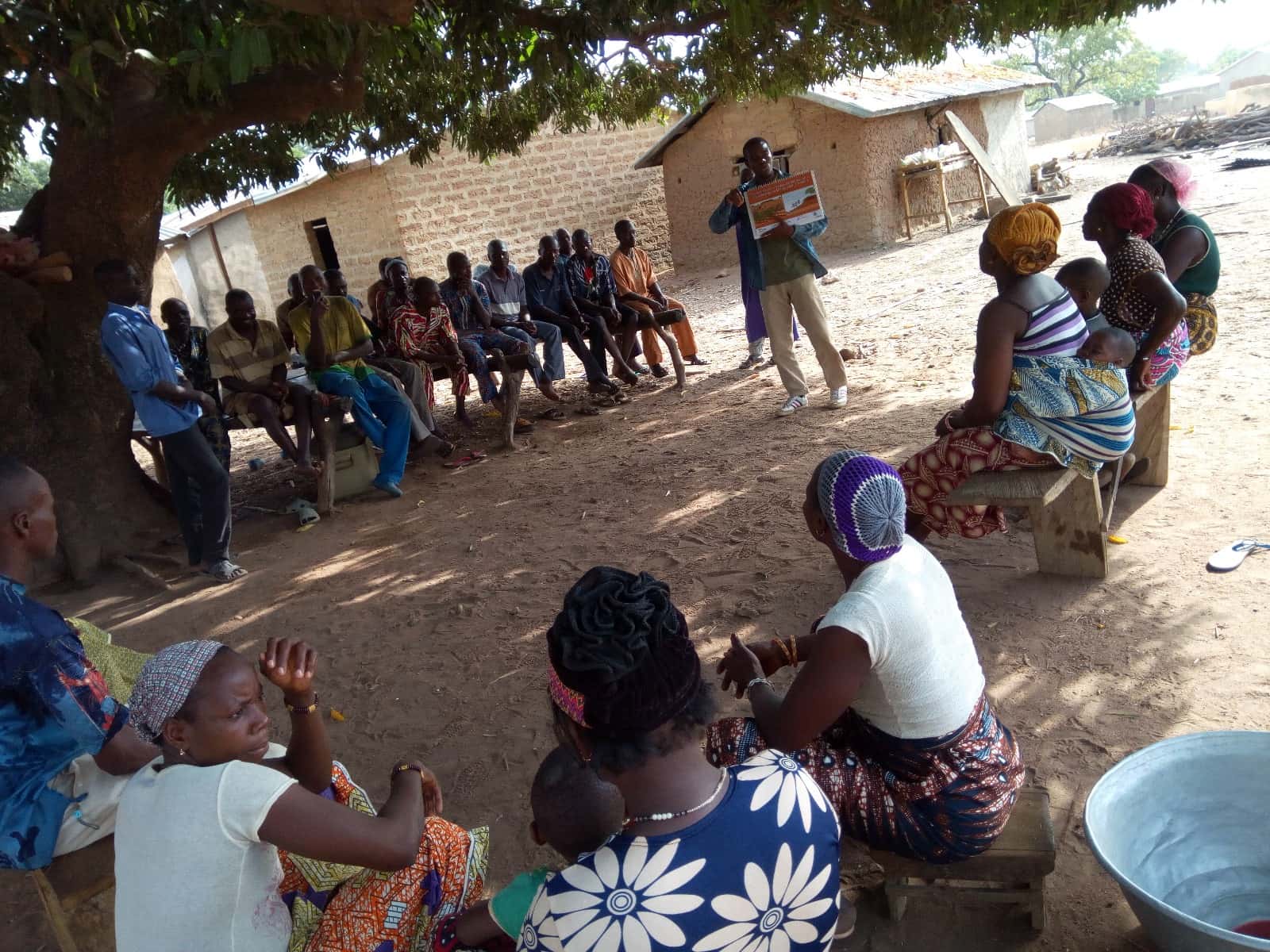
ViSA Africa a lancé une série de dialogues multipartites aux niveaux local, régional et national pour sensibiliser et renforcer les capacités des parties prenantes aux concepts et principes clés de la neutralité en matière de dégradation des terres. Les formations organisées dans quatre communes ont également permis aux participants de mieux comprendre les décisions de la CNULCD en matière de régime foncier, ainsi que les engagements du Bénin dans le cadre de cette Convention.
En collaboration avec le point focal national de la CNULCD, ViSA Africa a également organisé un atelier pour explorer les opportunités de transformer les politiques et programmes nationaux de restauration et de conservation en actions concrètes de développement, qui ont ensuite été intégrées dans les plans de développement communaux (PDC).
Plaidoyer participatif pour la reconnaissance et la protection des droits fonciers légitimes des communautés vulnérables, en particulier des femmes
Depuis 2022, ViSA Africa s’investit dans des communications stratégiques et des campagnes de plaidoyer pour promouvoir la reconnaissance et la protection des droits des communautés, en particulier les droits fonciers des femmes et des populations pastorales.
En 2024, deux campagnes conduites à Parakou et à Cotonou, en étroite collaboration avec la Convergence mondiale des luttes pour la terre, l'eau et les semences en Afrique de l'Ouest, ont mis en lumière les inégalités sociales et de genre auxquelles les femmes sont confrontées dans l’accès à la terre et aux ressources dont elles dépendent pour leur résilience face aux défis du changement climatique.
En plus de susciter des réflexions pour trouver des solutions à ces défis, ces campagnes ont permis de sensibiliser plusieurs décideurs politiques et des autorités locales, y compris sur le contenu de certains accords internationaux relatifs au foncier et aux droits des peuples autochtones et des populations locales, qui ont été ratifiés par le Bénin.
Adaptation et résilience
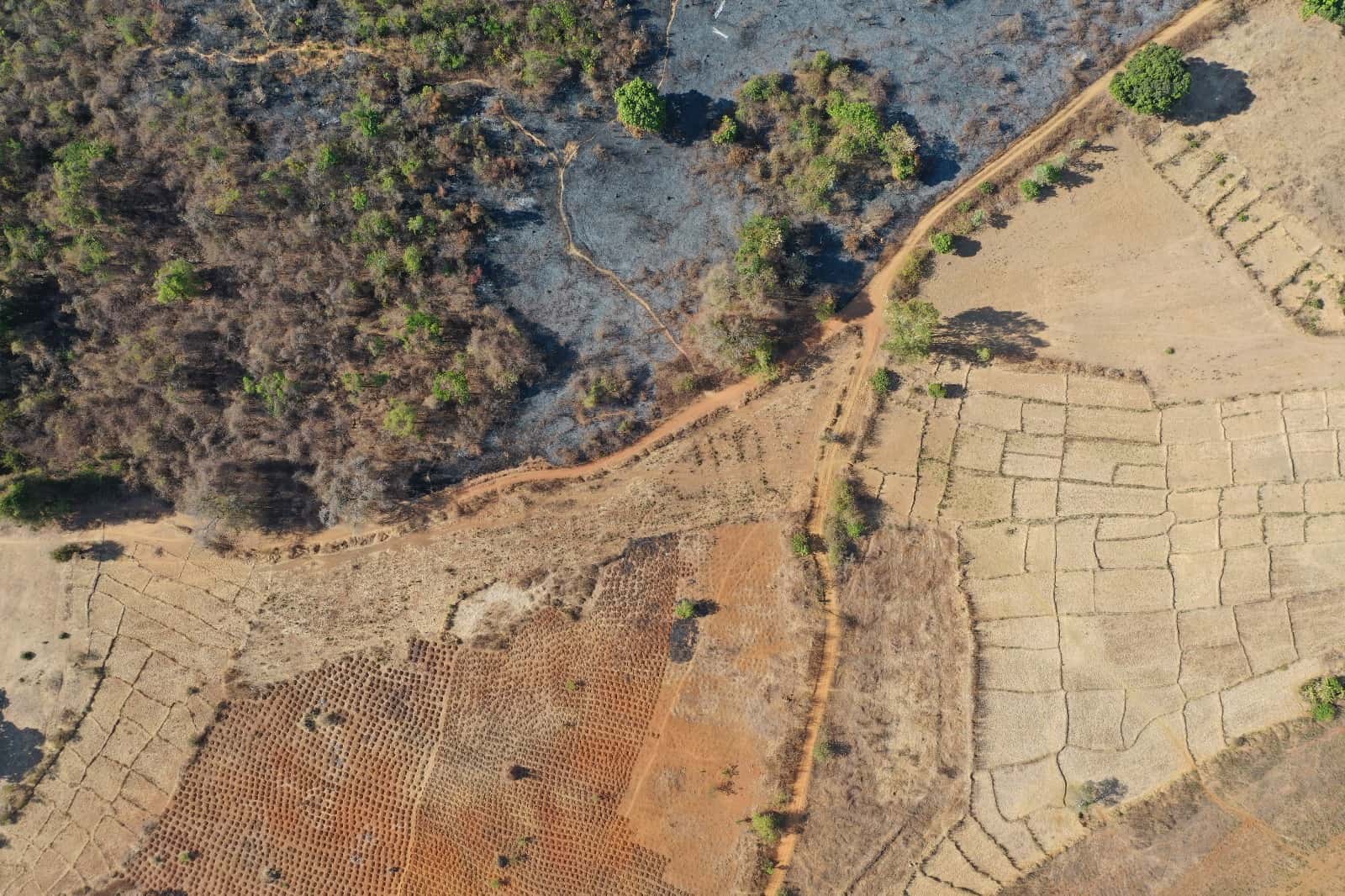
Les retenues d’eau agropastorales sont des réservoirs multifonctionnels destinés à soutenir les pasteurs et les agriculteurs dans la gestion de la pénurie d’eau en zones rurales et périurbaines.
Au fil des années, leur durabilité a été compromise par des défis de gestion, notamment liés aux perceptions des parties prenantes concernant les services écosystémiques fournis par ces réservoirs et leurs zones tampons.
Notre recherche sur cinq retenues d’eau, utilisant le modèle en cascade des services écosystémiques, a mis en évidence trois problèmes : une compréhension limitée des interconnexions entre les éléments du système (cours d’eau, retenue, zone tampon, humain), une faible connaissance des services écosystémiques non provisionnels et une importance accrue accordée aux revenus issus de la pêche et des frais d’abreuvement. Cela entraîne des conflits et des frustrations qui compromettent la gestion des bassins versants et des retenues d’eau, conçues à grand frais.
Alors que la compétition pour l'eau et les terres s'intensifie en raison du changement climatique et d’autres activités humaines, ces enjeux compromettent la pérennité des infrastructures hydrauliques essentielles pour les communautés rurales, qui font face à des impacts croissants du changement climatique et de la sécheresse. Nos travaux indiquent qu’une évaluation participative et approfondie des services écosystémiques peut aider à clarifier les compromis, diminuer les conflits, orienter des politiques de gestion plus efficaces et renforcer les stratégies locales d’adaptation au changement climatique et à la sécheresse.
Systèmes alimentaires justes
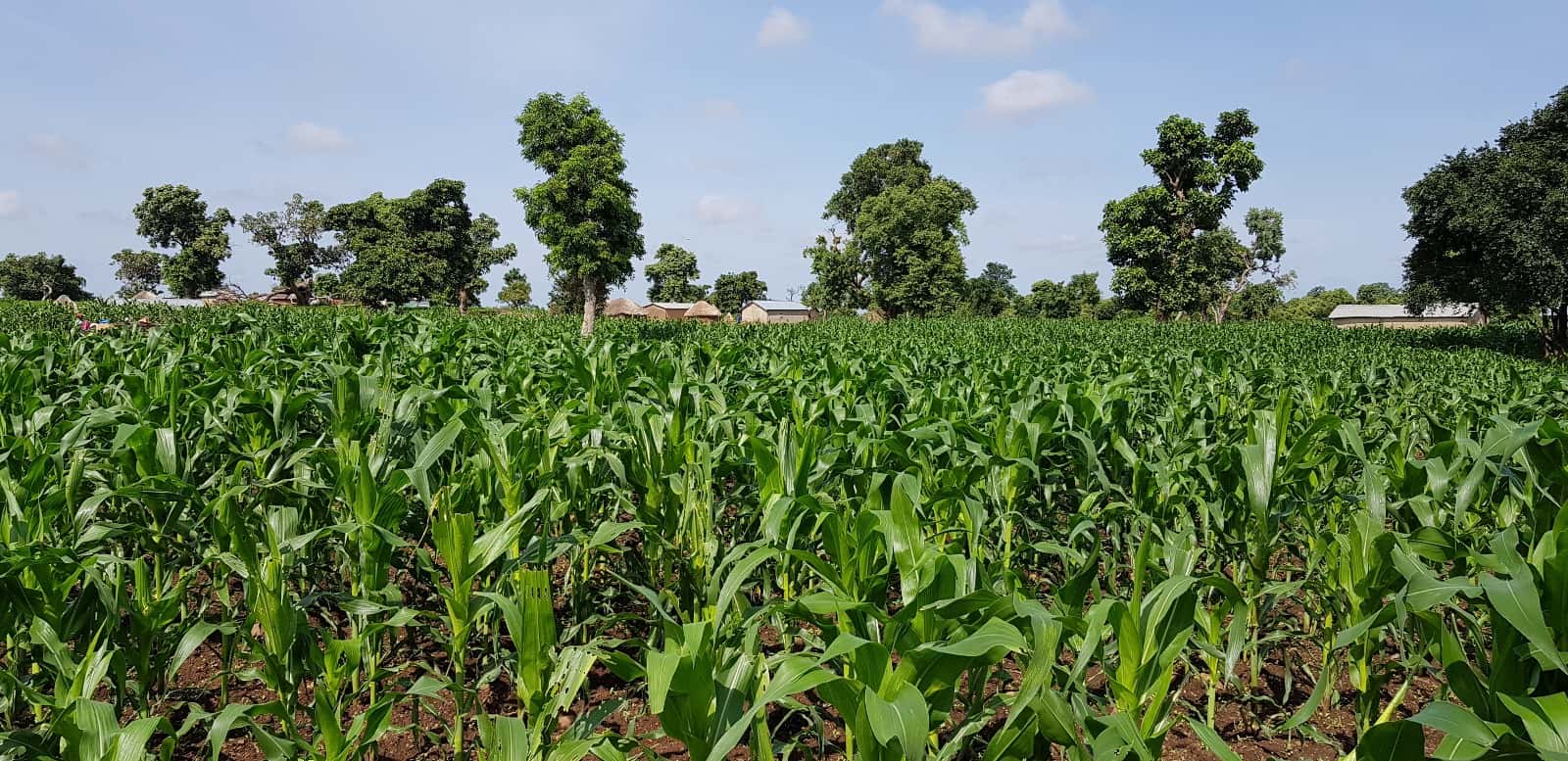
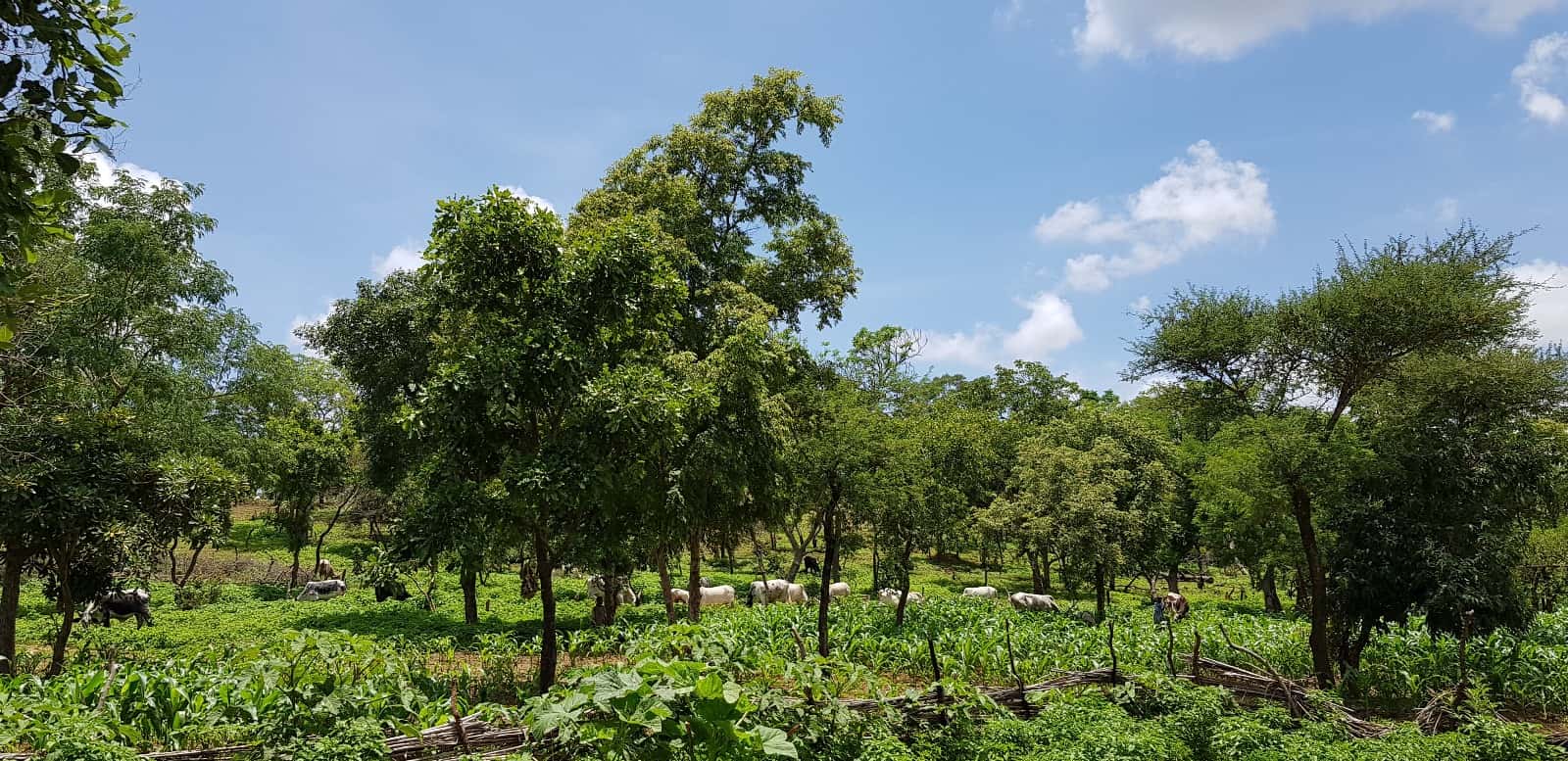
Pour promouvoir des systèmes alimentaires justes, ViSA Africa a mené une étude dans les communes de Gogounou, Kandi et Ségbana pour analyser les synergies entre l’agriculture et l’élevage, et explorer les bases ainsi que les opportunités d’une collaboration pacifique entre les acteurs, afin de renforcer la gestion durable des terres (GDT).
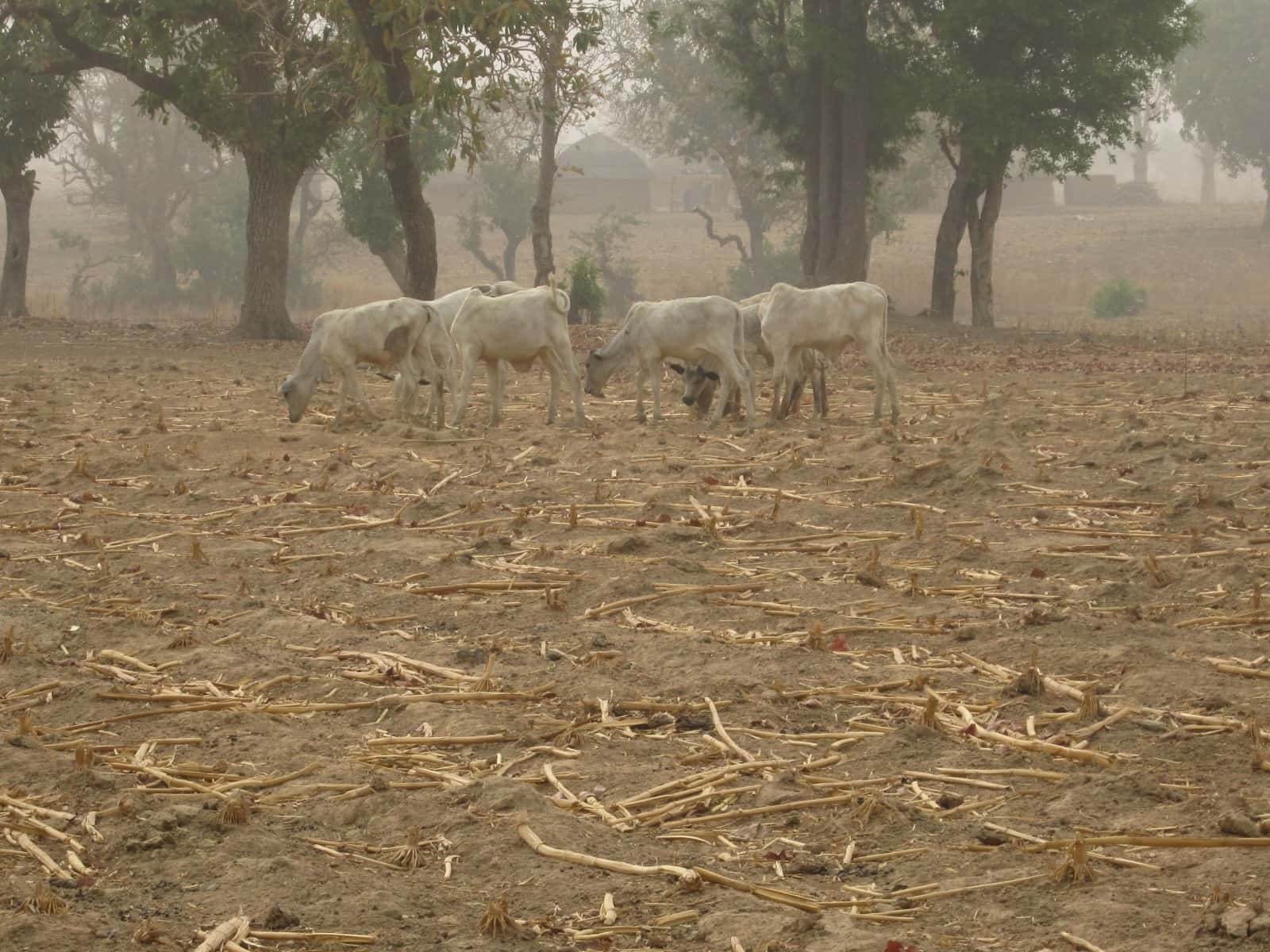
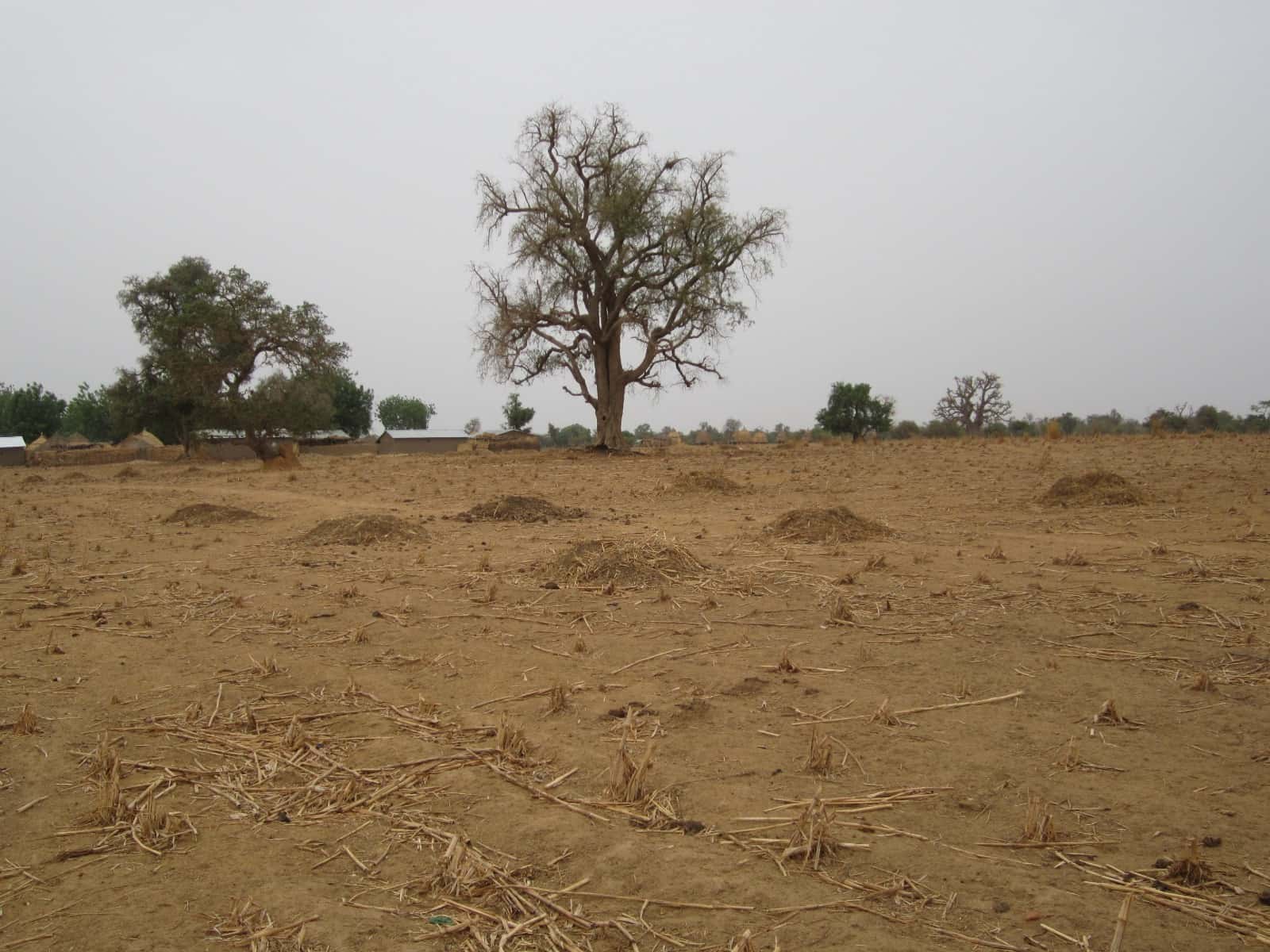
Les résultats ont montré qu’environ 90 % des exploitations enquêtées sont touchées par la dégradation des terres et sont dépendantes des fertilisants organiques pour satisfaire les besoins du ménage. Les cultures dominantes sont le maïs, le coton, le sorgho et le soja. L’élevage est très répandu (84 % des enquêtés), notamment les bovins et petits ruminants, avec 70 % des producteurs disposant des deux types de bétail, ce qui représente un fort potentiel de production de fumure.
L’alimentation animale, surtout en saison sèche, repose essentiellement sur les résidus de récolte, tandis que la culture fourragère reste marginale. Cette opportunité de synergie est cependant menacée par diverses frustrations et conflits qui minent la confiance entre ces deux groupes socio-professionnels. Seuls 25 % des éleveurs accepteraient un contrat de parcage, contre 80 % des agriculteurs intéressés. Malgré son potentiel, l’utilisation des déjections animales reste peu valorisée.
Alors que les conflits entre agriculteurs et éleveurs s’amplifient dans un contexte marqué par la montée du terrorisme violent, il est essentiel de saisir les opportunités de synergies et de les transformer en projets concrets de développement tout en soutenant la cohabitation pacifique des deux groupes socio-professionnels.
ViSA Africa possède les outils et l’expertise pour cette transformation et travaille résolument à accompagner cette transition.